---
title: Make Farm Benefits Matter
description: Discover what ag employees are looking for in terms of benefits and work culture, what other small businesses are offering, plus low-cost, high-value perks.
image: https://blog.aghires.com/hubfs/Blog%20Images2020/wheat-sunset-34_orig.jpg
---
[](https://aghires.com/)
- [JOBS](https://jobs.aghires.com/jobs)
- [SEARCH JOBS](https://jobs.aghires.com/jobs)
- [SUBMIT YOUR RESUME](mailto:resumes@aghires.com)
- [INTERNSHIPS](https://jobs.aghires.com/jobs/internship)
- [CAREER ADVICE](https://blog.aghires.com/tag/career-advice)
- [FIND COMPANIES](https://jobs.aghires.com/organizations)
- [CREATE ACCOUNT](https://jobs.aghires.com/user/login)
- [HIRE TALENT](https://aghires.com/#hiring-solutions)
- [POST A JOB](https://jobs.aghires.com/products)
- [RECRUITING SERVICES](https://aghires.com/recruiting-services)
- [EXECUTIVE SEARCH](https://aghires.com/executive-recruiting)
- [POST INTERNSHIPS FOR FREE](https://jobs.aghires.com/free-internship-job-postings)
- [BACKGROUND CHECKS](https://aghires.com/background-checks)
- [ADVERTISE ON AGHIRES](https://aghires.com/advertising-opportunities)
- [INDUSTRIES WE SERVE](https://aghires.com/#industries)
- [HIRING TIPS](https://aghires.com/resources)
- [RESOURCES](https://blog.aghires.com)
- [BLOG](https://blog.aghires.com)
- [VIDEO LEARNING](https://www.youtube.com/user/AgHiresJobs)
- [AG EDUCATORS & ADVISORS](https://aghires.com/ag-classroom-resources)
- [AG HIRING TRENDS](https://aghires.com/agriculture-workforce-key-hiring-trends)
- [ABOUT US](https://aghires.com/about-us)
- [ABOUT AGHIRES](https://aghires.com/about-us)
- [WORK AT AGHIRES](https://aghires.com/careers)
- [TESTIMONIALS & CASE STUDIES](https://aghires.com/testimonials)
- [CONTACT](https://aghires.com/contact)
- [SIGN UP/SIGN IN](https://jobs.aghires.com/user/login)
# Make Farm Benefits Matter

4 Minute Read
Posted by [Lori Culler](https://blog.aghires.com/author/lori-culler)
Tags: [Hiring Advice](https://blog.aghires.com/tag/hiring-advice)

## Why Your Compensation Strategy Matters More Than Ever
In today’s war for talent, attracting and retaining strong employees is no longer optional—it’s a strategic business priority. In many ways, your approach to hiring and keeping good employees should get the same level of planning and investment as your equipment, land, or facilities for the year ahead.
Whether your focus is keeping your current team engaged or attracting new talent, your total compensation package and how clearly you communicate its value can significantly influence your success. Employees aren’t just evaluating pay; they’re evaluating the entire experience of working for your operation.
Let’s take a closer look at what today’s employees value, what comparable businesses are offering, and how you can strengthen your offering with thoughtful, often low-cost benefits.
## What Employees Value Most Today
Job seekers are doing more research than ever before. During our recruiting conversations, candidates routinely ask about work culture, leadership, schedules, flexibility, training, advancement opportunities, benefits, and the intangible aspects of employment. The pattern is clear: compensation matters, but it’s only one piece of the puzzle. Benefits, in particular, carry substantial weight. [According to a 2025 benefits preference analysis](https://market.biz/employee-benefit-preferences-statistics/), 40% of employees would rather have health benefits than a salary increase.
It’s also important to remember that you’re not only competing with other agricultural operations for talent—you’re competing with every employer in your local market.
## Low-Cost, High-Impact Benefits to Consider
The good news is that building an attractive employment experience doesn’t always require a large financial investment. Many farms are already offering meaningful perks that resonate strongly with employees:
- **Meals**: From providing a side of beef to offering lunch during busy seasons, food is both practical and highly appreciated.
- **Company apparel:** T-shirts, sweatshirts, or hats help build pride and reinforce team culture.
- **Wellness support:** Covering flu shots or contributing toward gym memberships shows employees you care about their well-being.
- **Family events:** Picnics, ball games, or family appreciation days help strengthen relationships and loyalty.
- **Use of equipment:** Allowing employees to use the shop or borrow equipment for personal projects can build significant goodwill.
There are also additional benefits, less common in agriculture but highly effective in other industries, that may be worth exploring:
- Flexible time when possible: Allowing flexibility for appointments or personal errands (outside of peak seasons) demonstrates trust and respect.
- Vendor discounts: Partnering with local businesses to secure employee discounts can add value without direct cost to you.
- Volunteer days: Offering one or two paid days for community service can boost morale and strengthen your reputation locally.
- Employee contests: Incentives tied to safety, efficiency, or improvement ideas can reinforce your goals while engaging your team.
The key is not to implement everything at once, but to be intentional. Choose benefits that align with [your culture](https://blog.aghires.com/hiring-advice-blog/the-importance-of-company-culture) and your agribusiness’ objectives.
## Don’t Just Offer Benefits, Communicate Their Value
One of the most common missed opportunities we see is a lack of communication around the true value of benefits. Many farms already offer meaningful perks—meals, housing, beef, vehicle use—but employees often underestimate their financial impact.
For example, an employee receiving $2,000 per year in free meals and beef would need to earn closer to $3,000 in gross income to cover that same cost on their own after taxes. When benefits are framed this way, employees gain a clearer understanding of the full value of their employment perks.
This is why we strongly recommend providing an annual Total Compensation Statement. When employees see their base pay alongside the value of health insurance, vehicle use, fuel, bonuses, and other perks, the total picture can be eye-opening. A $50,000 salary can quickly become a $75,000+ total compensation package when everything is itemized. You can provide a Total Compensation Statement to current employees and candidates you are extending a job offer to.
Don’t forget to also outline your farm’s benefits and perks within your job postings. [AgHires Job Seeker Survey](https://info.aghires.com/agriculture-job-seeker-hiring-trends) revealed that 74% of candidates are more inclined to apply for the job when benefits information is included.
## Be Intentional About Your Employee Value Proposition
The most successful farm owners and ag employers don’t leave their culture and benefits to chance—they design them with purpose. Use the slower winter months to step back and evaluate:
- What makes working here genuinely different?
- What benefits do employees use and appreciate most?
- Where could small changes make a meaningful impact?
- How clearly are we communicating the value we already provide?
When you approach compensation and culture strategically, you don’t just fill positions, you build a team that wants to stay and grow with you.
For more tips on attracting and retaining talent for your farm or ag business, check out our [hiring resources.](https://info.aghires.com/resources)
Need help hiring? Let AgHires do the heavy lifting! We offer full-service recruitment, targeted job posting and advertising packages, and customized solutions designed to solve your farm or agribusiness’ unique hiring challenges. Our recruiters come from agriculture and bring deep industry knowledge to connect you with only the top qualified talent. [Learn more about our hiring services](https://aghires.com/main/clients/products) or contact us at 1-844-244-4737 or sales@aghires.com.
Explore these low-cost, high-value ways to keep your employees happy and well!
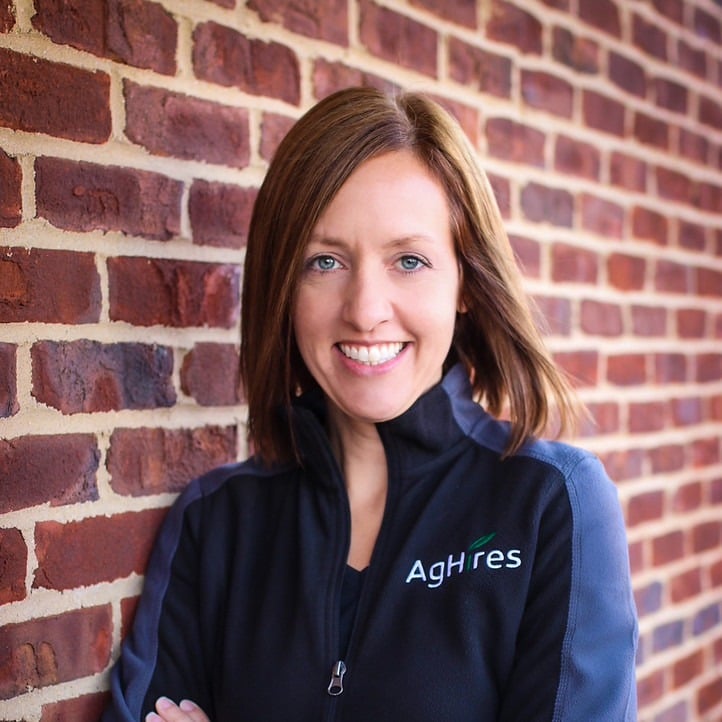
### [Lori Culler](https://blog.aghires.com/author/lori-culler)
Lori (Lennard) Culler is the founder of AgHires, providing recruiting services and job advertising for the agriculture industry across the US. Lori grew up on her family's 3rd generation potato, tomato, and grain farm operating in Southeast Michigan and Northern Indiana. Her work in human resources began outside of agriculture and while hiring for her family’s own operation quickly realized the lack of resources in our industry to find and attract talent which inspired her to launch AgHires. In addition to running AgHires, she works to provide education to both employers hiring and candidates looking for jobs.
### Categories
- [Ag Fun and Facts (223)](https://blog.aghires.com/tag/ag-fun-and-facts)
- [Career Advice (200)](https://blog.aghires.com/tag/career-advice)
- [Hiring Advice (118)](https://blog.aghires.com/tag/hiring-advice)
- [For Students (54)](https://blog.aghires.com/tag/for-students)
- [Case Studies (12)](https://blog.aghires.com/tag/case-studies)
- [Featured Jobs (1)](https://blog.aghires.com/tag/featured-jobs)
### Subscribe
### Related Articles
**[Pay Perspective](https://blog.aghires.com/hiring-advice-blog/pay-perspective)**
**[Hiring Outside of Agriculture](https://blog.aghires.com/hiring-advice-blog/hiring-outside-of-agriculture)**
## **Find Talent**
Let us help develop optimized job postings, create targeted social media recruitment campaigns, and/or have our expert Recruiters headhunt passive candidates.
[**Find Candidates**](https://cta-service-cms2.hubspot.com/web-interactives/public/v1/track/click?encryptedPayload=AVxigLIi1KTIJiSLGDw6zpgUxjuqHk8BncR7Z5M2ScV0XTJr5JHxJ4w4MNCyfwG0iJUKtyi%2FcWFxTQBi%2Bs27HUAvoiNKP1tf4HUsCLK6IVX0jwDwVHp6PHoMHnhusqwyNOcDfPwgO43JRd9YaM7mqNjtWg5jUZoiy2ZPWHfv3Y6eueqhsMkOsA%3D%3D&portalId=8483802)
## **Find Talent**
Let us help you develop optimized job postings, create targeted social media recruitment campaigns, and/or have our expert Recruiters headhunt passive candidates.
[**Find Candidates**](https://cta-service-cms2.hubspot.com/web-interactives/public/v1/track/click?encryptedPayload=AVxigLIi1KTIJiSLGDw6zpgUxjuqHk8BncR7Z5M2ScV0XTJr5JHxJ4w4MNCyfwG0iJUKtyi%2FcWFxTQBi%2Bs27HUAvoiNKP1tf4HUsCLK6IVX0jwDwVHp6PHoMHnhusqwyNOcDfPwgO43JRd9YaM7mqNjtWg5jUZoiy2ZPWHfv3Y6eueqhsMkOsA%3D%3D&portalId=8483802)
## **Find Talent**
Let us help you develop optimized job postings, create targeted social media recruitment campaigns, and/or have our expert Recruiters headhunt passive candidates.
[**Find Candidates**](https://cta-service-cms2.hubspot.com/web-interactives/public/v1/track/click?encryptedPayload=AVxigLIi1KTIJiSLGDw6zpgUxjuqHk8BncR7Z5M2ScV0XTJr5JHxJ4w4MNCyfwG0iJUKtyi%2FcWFxTQBi%2Bs27HUAvoiNKP1tf4HUsCLK6IVX0jwDwVHp6PHoMHnhusqwyNOcDfPwgO43JRd9YaM7mqNjtWg5jUZoiy2ZPWHfv3Y6eueqhsMkOsA%3D%3D&portalId=8483802)
[](https://aghires.com/)
© AgHires
###### Find Talent
- [Professional Recruiting](https://info.aghires.com/professional-recruiting)
- [Executive Search](https://info.aghires.com/executive-recruiting)
- [Job Postings & Advertising](https://aghires.com/main/clients/products)
###### Employers
- [The AgHires Difference](https://info.aghires.com/why-aghires)
- [Hiring Advice](https://blog.aghires.com/tag/hiring-advice)
- [Background Checks](https://info.aghires.com/background-checks)
###### Job Seekers
- [Find a Job](https://aghires.com/candidate/job_search/quick/results)
- [Job Alerts](https://aghires.com/main/static/signIn)
- [Career Advice](https://blog.aghires.com/tag/career-advice)
###### Contact Us

[(1-844-244-4737)](tel:18442444737)

[sales@aghires.com](mailto:sales@aghires.com)
Contact Us 24 / 7 / 365
###### Join Our Newsletter
[Privacy](https://aghires.com/privacy)
[Terms & Conditions](https://aghires.com/terms)

```json
{
"@context" : "https://schema.org",
"@type" : "BlogPosting",
"author" : {
"@type" : "Person",
"name" : "Lori Culler",
"url" : "https://blog.aghires.com/author/lori-culler"
},
"dateModified" : "2026-06-23T14:49:12.008Z",
"datePublished" : "2021-05-29T04:00:00.000Z",
"headline" : "Make Farm Benefits Matter",
"image" : [ "https://blog.aghires.com/hubfs/Blog%20Images2020/wheat-sunset-34_orig.jpg" ],
"mainEntityOfPage" : {
"@id" : "https://blog.aghires.com/hiring-advice-blog/make-farm-benefits-matter",
"@type" : "WebPage"
},
"publisher" : {
"@type" : "Organization",
"logo" : {
"@type" : "ImageObject",
"url" : "https://blog.aghires.com/hubfs/Logos/AgHires_Logo_Black_no_tag-1.png"
},
"name" : "AgHires"
}
}
```
```json
{
"@context" : "https://schema.org",
"@id" : "https://blog.aghires.com/hubfs/AgHires_Logo_215x87-2.png#logo",
"@type" : "LocalBusiness",
"address" : {
"@type" : "PostalAddress",
"addressCountry" : "US",
"addressLocality" : "Lambertville",
"addressRegion" : "MI",
"postalCode" : "48144",
"streetAddress" : "PO Box 706"
},
"geo" : {
"@type" : "GeoCoordinates",
"latitude" : 41.75290880000001,
"longitude" : -83.624201
},
"image" : "https://blog.aghires.com/hubfs/AgHires_Logo_215x87-2.png",
"name" : "AgHires",
"openingHoursSpecification" : {
"@type" : "OpeningHoursSpecification",
"closes" : "17:00",
"dayOfWeek" : [ "Monday", "Tuesday", "Wednesday", "Thursday", "Friday" ],
"opens" : "08:00"
},
"priceRange" : "$",
"sameAs" : [ "https://www.facebook.com/AgHiresJobs/", "https://www.linkedin.com/company/aghires", "https://www.instagram.com/aghiresjobs/", "https://www.youtube.com/user/AgHiresJobs" ],
"telephone" : "(1-844-244-4737)",
"url" : "https://blog.aghires.com/"
}
```