

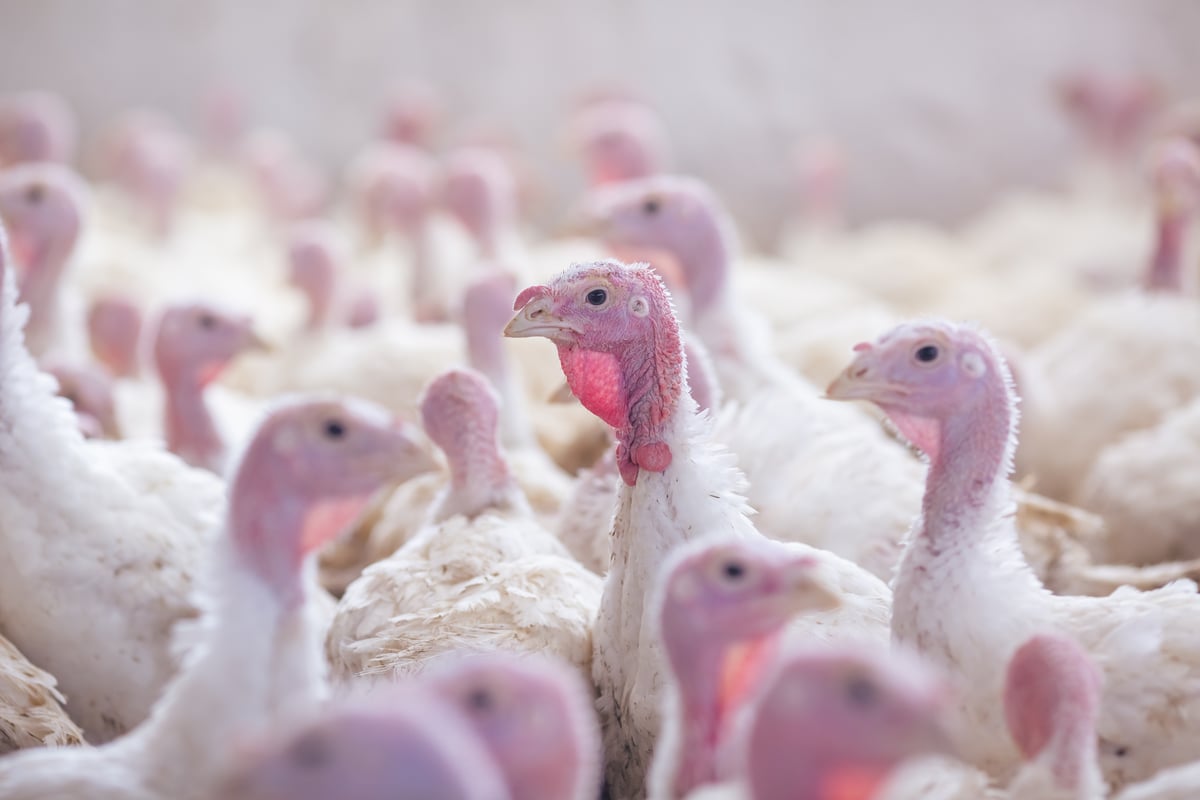
From the hatchery to the dinner table, poultry production relies on professionals with a wide range of skills and expertise. Whether you're interested in animal health, nutrition, farm management, or food processing, the poultry industry offers diverse opportunities to build a rewarding career.
What Makes Up the Poultry Industry?
The poultry industry extends far beyond raising chickens and turkeys. It encompasses several interconnected sectors that support meat and egg production, including:
- Live poultry production and breeding
- Hatchery operations
- Animal health and veterinary services
- Feed production and animal nutrition
- Food processing and quality assurance
- Transportation and logistics
- Equipment and technology
Each sector contributes to animal health, production efficiency, food safety, and a reliable food supply.
What Jobs Are Available in the Poultry Industry?
From hands-on production positions to specialized technical and leadership roles, here are eight poultry careers to consider.
1. Poultry Production Manager
Poultry production managers oversee daily farm operations, flock health, housing conditions, and production performance. They manage employees, monitor feed and water consumption, maintain animal welfare standards, and work toward production goals.
Career advancement opportunities: Complex Manager, Director of Live Production
2. Hatchery Technician
Hatchery technicians support egg incubation, hatching, and the handling of newly hatched birds. Responsibilities include monitoring incubation conditions, maintaining equipment, evaluating hatch quality, and following sanitation procedures.
Career advancement opportunities: Hatchery Supervisor, Hatchery Manager
3. Poultry Veterinarian
Poultry veterinarians protect flock health through disease prevention, diagnosis, and treatment. They develop vaccination protocols, investigate health concerns, and collaborate with production teams to improve animal welfare.
This career requires a Doctor of Veterinary Medicine (DVM) degree and appropriate veterinary licensure.
Career advancement opportunities: Veterinary Services Manager, Director of Veterinary Services
4. Broiler Service Technician
Broiler service technicians work directly with growers to support flock health and production performance. They visit farms, evaluate housing and ventilation, review production records, and provide recommendations to improve flock management.
Career advancement opportunities: Service Supervisor, Live Production Manager
5. Biosecurity Coordinator
Biosecurity coordinators help prevent the introduction and spread of disease within poultry operations. They monitor biosecurity protocols, conduct facility audits, train employees, and support disease prevention efforts.
Their work is particularly important in protecting flocks from infectious diseases such as avian influenza.
Career advancement opportunities: Biosecurity Manager, Animal Health Manager
6. Poultry Nutritionist
Poultry nutritionists formulate feed rations that support bird growth, health, reproductive performance, and feed efficiency. They evaluate ingredients, analyze nutritional requirements, and collaborate with feed mills and production teams.
Advanced degrees in animal nutrition or poultry science are often preferred for specialized positions.
Career advancement opportunities: Senior Nutritionist, Technical Services Manager, Nutrition Director
7. Processing Plant Supervisor
Processing plant supervisors lead production teams and oversee daily operations within poultry processing facilities. They help maintain food safety, product quality, workplace safety, and production efficiency.
Career advancement opportunities: Plant Superintendent, Plant Manager, Director of Operations
8. Live Haul & Feed Delivery Driver
Live haul and feed delivery drivers transport birds or feed between farms, hatcheries, feed mills, and processing facilities. Responsibilities include safe transportation, vehicle inspections, and compliance with applicable transportation and biosecurity requirements.
A commercial driver's license (CDL) is generally required for tractor-trailer positions.
Career advancement opportunities: Transportation Supervisor, Fleet Manager, Logistics Manager
What Skills Are Needed to Work in the Poultry Industry?
While qualifications vary by position, employers often look for a combination of technical knowledge and professional skills.
Technical Skills
- Poultry production and flock management
- Animal health, welfare, and biosecurity
- Feed and animal nutrition knowledge
- Food safety and regulatory compliance
- Equipment operation and troubleshooting
- Production data analysis and recordkeeping
Professional Skills
- Communication and teamwork
- Attention to detail
- Problem-solving and decision-making
- Organization and adaptability
- Leadership and employee development
Familiarity with automation, environmental monitoring, and production management software can also be valuable.
What Education Is Required for Poultry Careers?
Many entry-level poultry production, hatchery, and processing positions offer on-the-job training. Specialized technical, scientific, and management positions may require higher education or relevant industry experience.
Common fields of study include:
- Poultry Science
- Animal Science
- Animal Nutrition
- Agricultural Business
- Food Science
- Veterinary Medicine
- Agricultural Engineering
Depending on the position, employers may also require specialized credentials, such as a CDL, food safety training, or veterinary licensure.
Where Can You Work in the Poultry Industry?
Poultry professionals work for a variety of employers throughout the supply chain, including:
- Commercial poultry farms and integrated producers
- Hatcheries and poultry breeding companies
- Feed mills and animal nutrition companies
- Animal health companies
- Poultry processing facilities
- Agricultural equipment and technology companies
- Universities and research organizations
Beyond production, career opportunities also exist in sales, technical services, engineering, research, and business operations.
How to Start a Career in Poultry
Whether you're entering the workforce or transitioning from another industry, consider these steps to prepare for a poultry career:
- Gain hands-on experience: Explore internships, farm positions, hatchery jobs, or processing roles.
- Develop industry knowledge: Learn about poultry production, animal welfare, nutrition, and biosecurity.
- Build transferable skills: Experience in livestock production, manufacturing, maintenance, or leadership can be valuable.
- Pursue relevant training: Consider education or certifications that align with your career goals.
- Build your professional network: Connect with industry professionals and attend agricultural events.
Frequently Asked Questions About Poultry Careers
Can You Work in the Poultry Industry Without a College Degree?
Yes. Many production, hatchery, processing, maintenance, and transportation positions do not require a college degree. Relevant experience and technical training can also support career advancement.
What Can You Do With a Poultry Science Degree?
A poultry science degree can prepare you for careers in production management, hatchery operations, animal nutrition, technical services, research, quality assurance, and agricultural sales.
Are All Poultry Jobs on Farms?
No. Poultry careers are also available in laboratories, feed mills, processing plants, corporate offices, research facilities, and agricultural technology companies.
Can You Transition Into Poultry From Another Livestock Industry?
Yes. Experience in dairy, swine, beef, or other livestock sectors can provide transferable skills in animal health, nutrition, production management, biosecurity, and leadership.
Explore Poultry Careers with AgHires
Behind every poultry product that reaches the table is a team of professionals working across the supply chain. Whether your interests lie in animal agriculture, science, technology, or leadership, there are numerous opportunities to grow your career in poultry.
Ready to find your next opportunity? Explore poultry jobs on AgHires and discover where your career in agriculture could take you.