
When you start looking for jobs in agriculture, you’ll see a lot of acronyms in the qualifications section. One posting asks for a CDL, another lists CCA as preferred, and a third says you can complete safety training after you’re hired. How do you know which credentials are worth earning before you apply?
The credential worth pursuing depends on the work you want to do. Some are required for specific duties, while others show employers that you’ve learned industry practices or are ready to take on more responsibility. Here are eight to consider across agriculture, livestock production, and food processing.
1. Commercial Driver’s License (CDL)
If you want to haul grain, feed, fertilizer, or livestock, start by checking which CDL class employers list in their job postings. A Class A CDL generally covers qualifying heavy truck-and-trailer combinations, while Class B generally covers qualifying heavy single vehicles. Some covered farm vehicles qualify for a federal CDL exemption, so check the requirements for the vehicle and work you’d be doing.
Roles to explore · Grain hauler, feed delivery driver, livestock transporter
2. Pesticide Applicator License or Certification
A pesticide applicator credential is relevant if you want to apply crop protection products for growers or work for an ag retailer or cooperative. Restricted-use pesticides are subject to federal certification rules, and states can set additional requirements. Before signing up for an exam, check with the state certifying agency about the license category that matches the work you want to do.
Roles to explore · Custom applicator, sprayer operator, crop protection technician
3. FAA Part 107 Remote Pilot Certificate
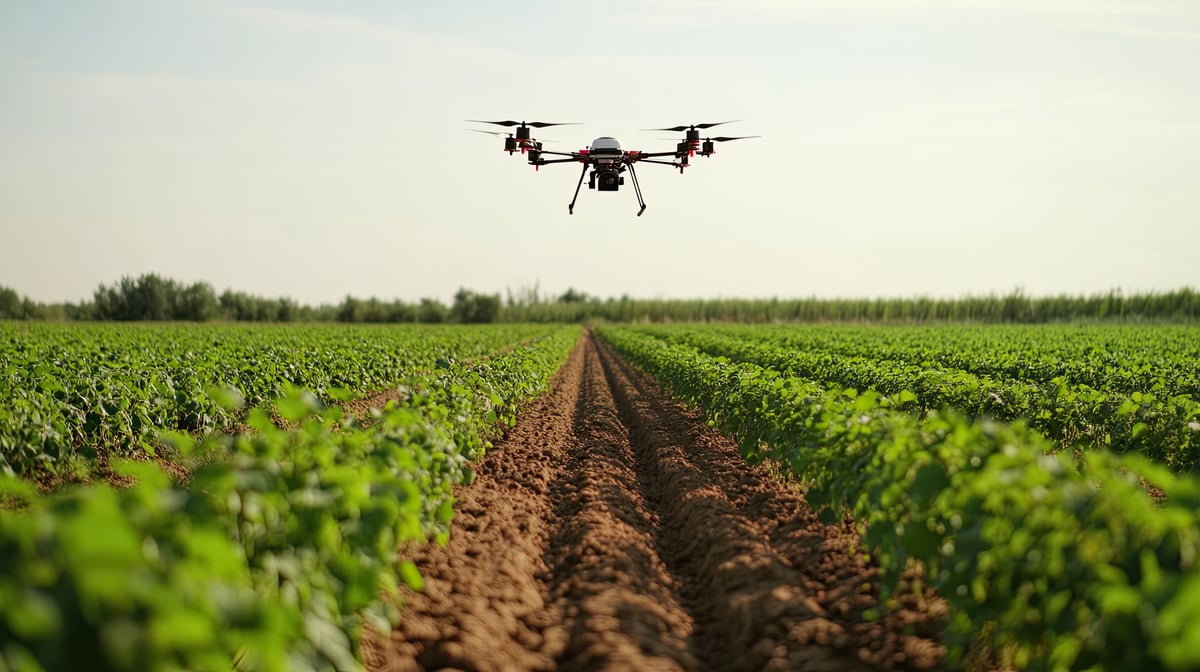
Drones can help crop teams scout fields, capture imagery, and map areas that need a closer look. To act as the remote pilot in command under Part 107, you need an FAA Remote Pilot Certificate. Most first-time applicants start by passing an aeronautical knowledge test. If you already work in agronomy or precision agriculture, the certificate can help you add drone work to your current skill set.
Roles to explore · Agricultural drone pilot, crop scout, precision agriculture technician
4. Certified Crop Adviser (CCA)
The CCA credential is designed for people who advise growers on crop production. Earning it involves passing two exams and documenting relevant experience. Exam topics include nutrient management, soil and water management, pest management, and crop management. If you’re early in your career, look for roles that give you experience scouting fields, interpreting soil tests, and working with growers as you build toward certification.
Roles to explore · Agronomist, crop consultant, agronomy sales specialist
5. Hazard Analysis and Critical Control Point (HACCP) Training
HACCP training teaches you how food processors identify food safety hazards, monitor controls, and document corrective actions. It’s relevant if you want to move into quality assurance or food safety. Training requirements depend on the product and the duties involved, so check what employers in your area ask for before choosing a course.
Roles to explore · Quality assurance technician, food safety specialist, QA supervisor
6. Beef Quality Assurance (BQA)
BQA certification is a practical option for people who work with beef cattle or want to move into a ranch or feedlot role. It gives you a way to show that you’ve completed training in cattle care and handling. You can earn certification through an online course or an in-person training led by an authorized trainer.
Roles to explore · Ranch hand, feedlot technician, feedlot manager
7. Pork Quality Assurance Plus (PQA Plus)
PQA Plus is an education and certification program for pig producers and their employees. It covers animal well-being, food safety, worker safety, and other areas of pork production. To get started, contact a PQA Plus advisor who can arrange in-person training or give you access to the online course.
Roles to explore · Swine technician, barn lead, swine production manager
8. OSHA 10-Hour and 30-Hour Outreach Training
OSHA 10 introduces workers to common workplace hazards. OSHA 30 covers more topics in greater depth and is geared toward supervisors or workers with safety responsibilities. Both provide course completion cards. Some employers or jurisdictions require outreach training. For grain or food processing jobs, check which course and industry track the employer requests.
Roles to explore · Grain elevator operator, safety coordinator, plant manager
Which credential should you get first?
Pull up five job postings for roles you’d actually apply for. Look for credentials that come up repeatedly and note whether employers list them as required, preferred, or obtainable after hire. If a credential is preferred or can be earned on the job, you may be ready to apply now. You can also ask whether the employer provides training or reimburses course fees.
Once you’ve earned a credential, use its full name on your resume. Include the license class, endorsement, or expiration date when it matters for the role. Then use your experience bullets to show how you’ve put that training to work.
Ready to see what employers are looking for? Browse agriculture, livestock, and food production jobs on AgHires.